
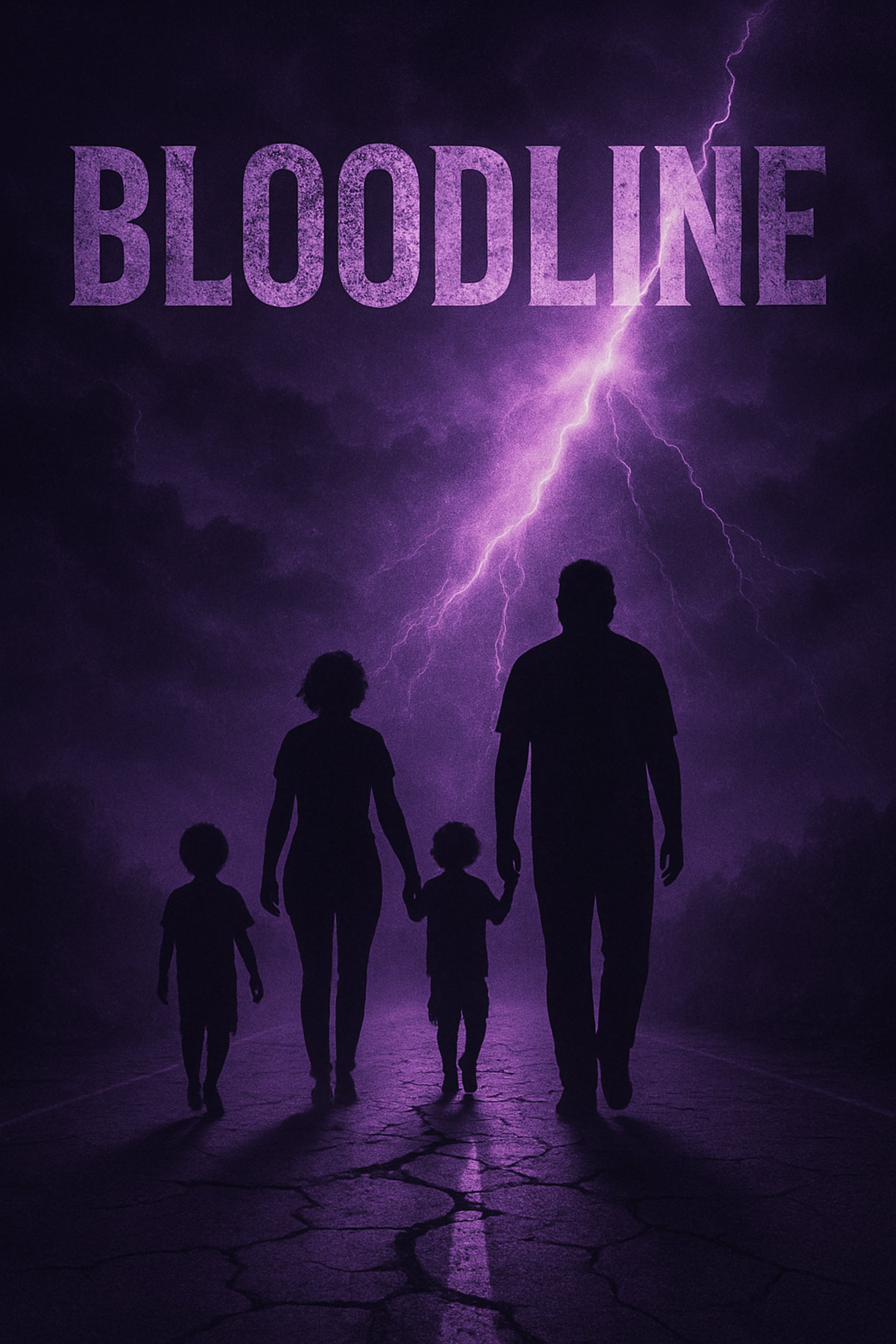
The Bloodline We Break
⚠️ CONTENT WARNING This piece discusses themes of generational trauma, emotional neglect, and healing from difficult upbringings. Please read with care. A breakdown of the lyrics that speak to inherited wounds, generational storms, and the quiet rebellion of choosing to become more than what raised you. For the ones who were handed pain instead of guidance — and still chose a different ending.
MUSIC, OR MOVIE INSIGHTSGENERATIONAL TRAUMAHEALING THE INNER CHILD
Anastasia
11/19/202511 min read
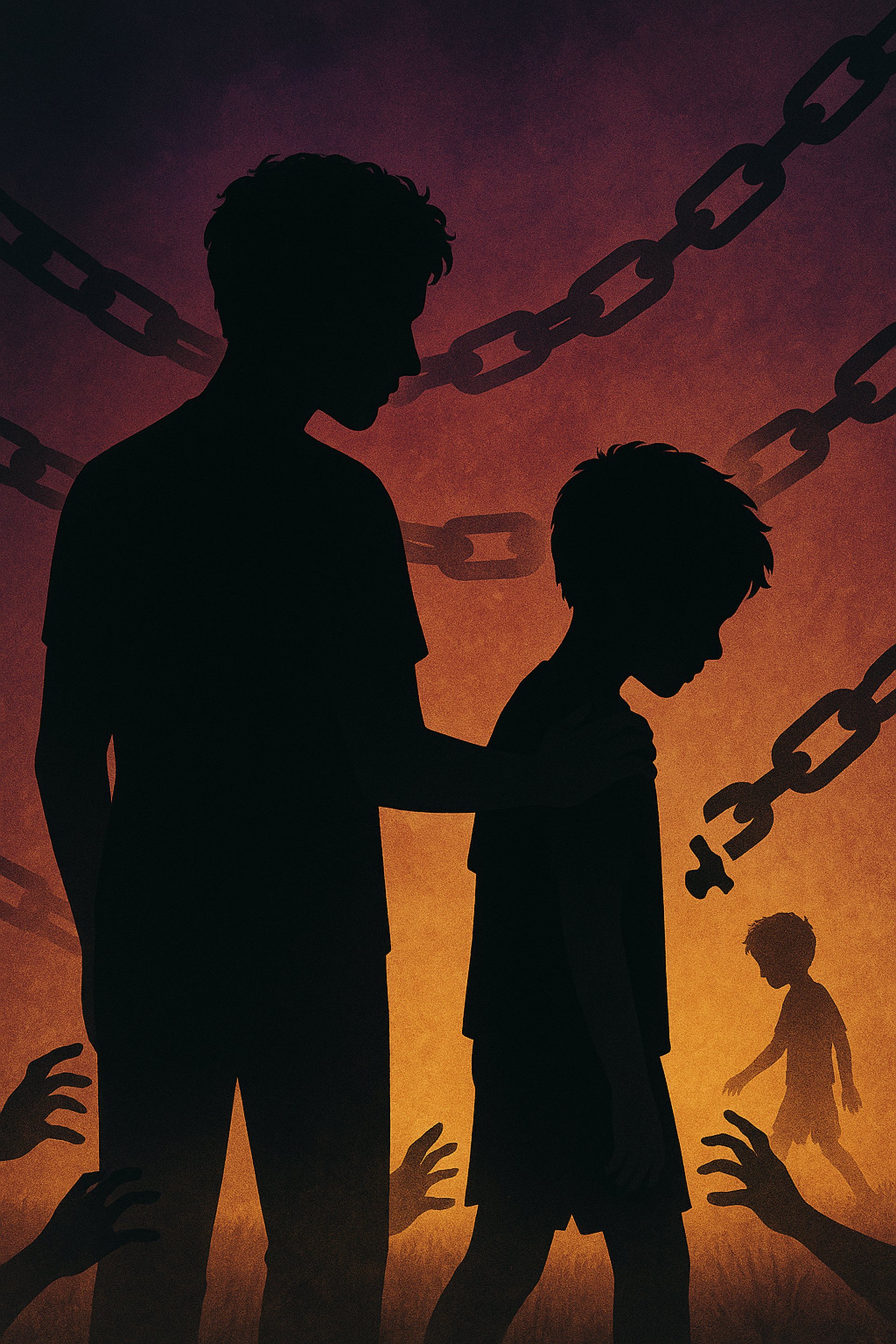
SECTION 1 — INHERITED FIRE
*Lyrics: “Take that pain, pass it down like bottles on the wall
Mama said her dad's to blame, but that's his daddy's fault
There's no one left to call”*
Some pain doesn’t begin in childhood —
it begins in the childhoods of people who raised you.
There are families where the only things passed down
aren’t recipes or traditions,
but unhealed wounds carved so deep
they echo through generations like a curse
no one remembers casting.
“Take that pain, pass it down like bottles on the wall”
isn’t just a lyric.
It’s an indictment.
It’s the truth that nobody wants to say aloud:
hurt people often raise hurt people,
not out of cruelty,
but because no one ever handed them anything else.
This is the cycle:
a parent shaped by their own storms,
a grandparent shaped by theirs,
and each one believing they were doing the best they could
with the tools trauma left them holding.
“Mama said her dad’s to blame, but that’s his daddy’s fault”
is the lineage of grief.
The bitter inheritance.
The pain with no origin story
because its roots stretch so far back
they blur into myth.
This is where the generational chain lies:
not in genetics,
but in the silence between wounds.
In the ways people try to justify what broke them.
In the ways they pass down what they never meant to.
Then comes the line that hits the deepest:
“There’s no one left to call.”
That’s the moment every cycle-breaker knows.
The moment you look around
and realize the adults who were supposed to save you
are the ones who need saving.
The moment childhood ends early,
not because of age,
but because of abandonment by necessity.
Some inherit wealth.
Others inherit the work of healing a lineage they didn’t break.
This section of the song isn’t about blame —
it’s about recognition.
It’s the acknowledgment that pain doesn’t vanish;
it evolves, shapeshifts,
finds new hosts
unless someone disrupts its path.
And the quiet power of this moment is this:
You might not be responsible for what you inherited —
but you are capable of ending what began long before you.
SECTION 2 — THE COUNTDOWN NO ONE SEES
*Lyrics: “You stay up countin' down the days 'til you make your escape
But you're afraid you can't outrun what's runnin' through your veins
You're carryin' the weight”*
There are people who never counted down to Christmas,
birthdays,
or summer vacation.
They counted down
to escape.
To turning eighteen.
To the day the door would close behind them
and stay closed.
To the moment they could finally exhale
without listening for footsteps.
This lyric captures that kind of survival:
“You stay up countin’ down the days ’til you make your escape.”
It’s the truth of every child
who learned to plan an exit
long before they learned to ride a bike.
Every teenager
who rehearsed new beginnings
the way most kids rehearsed school plays.
Escape isn’t dramatic.
It’s quiet.
It’s late-night fantasies whispered into a pillow.
It’s promises made to yourself
in the dark.
But then comes the fear
that turns hope into hesitation:
“But you’re afraid you can’t outrun what’s runnin’ through your veins.”
This is the terror inherited from generational trauma —
the dread that what shaped you
has already claimed you.
That patterns passed down in silence
are waiting inside you
like dormant storms.
That no matter how far you run,
you might still become
the thing that once broke you.
This fear is not weakness.
It’s awareness.
Awareness that pain teaches behaviors
before love teaches safety.
Awareness that surviving something
doesn’t always mean you understand
how to live past it.
And then the lyric lands its quiet truth:
“You’re carryin’ the weight.”
The weight no one sees.
The weight people mistake for moodiness, rebellion, distance —
when really, it’s exhaustion.
Invisible exhaustion
from years spent navigating emotional landmines
in a place you were supposed to feel safe.
The weight of unsaid apologies.
The weight of roles you were never meant to carry.
The weight of secrets you never chose to keep.
The weight of wondering
if your future is simply your past
with new wallpaper.
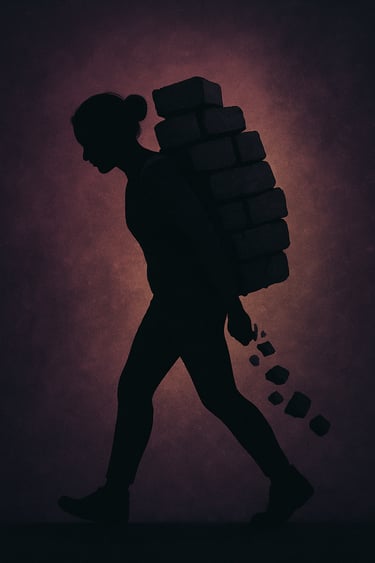
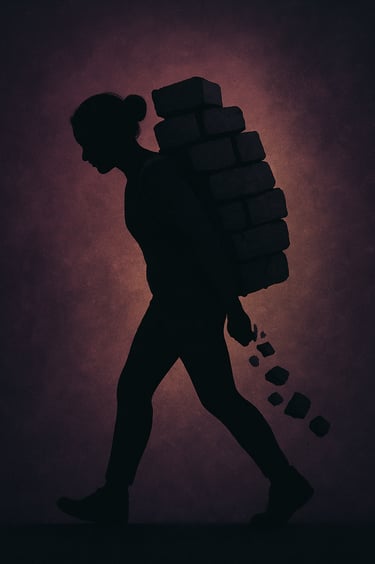
Some people carry childhood like a backpack made of bricks —
and still manage to walk forward.
This section of the song speaks to the truth nobody teaches children:
Escape is not just a physical act.
It’s an emotional one.
A psychological one.
A spiritual one.
And the fear of “becoming what hurt you”
is not prophecy.
It’s the beginning of transformation.
Because the moment you question the cycle,
you’ve already started to break it.
SECTION 3 — A HAND IN THE DARK
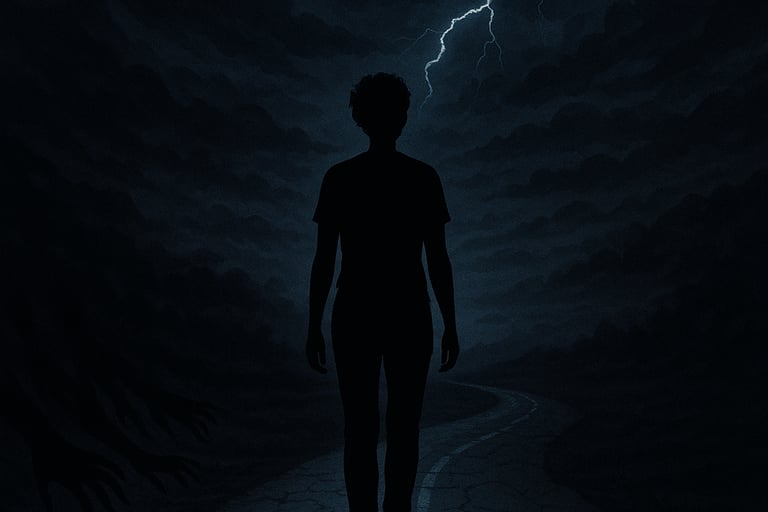
*Lyrics: “In the dead of night, on that broken road
I won't let you walk alone
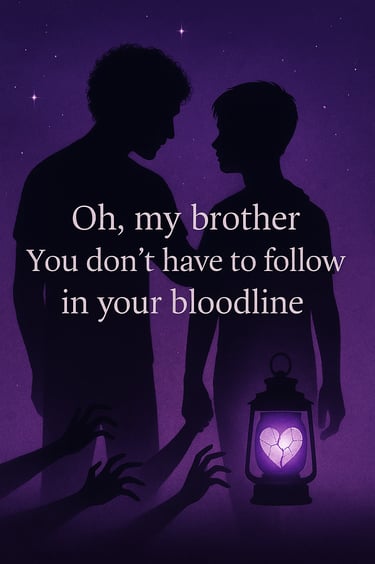
Oh, my brother
You don't have to follow in your bloodline
Oh, we got each other
And if you got tomorrow, then you've still got time”*
Some roads are so dark
you don’t realize you’re walking them
until someone else steps beside you.
Not to save you.
Not to drag you forward.
Just to refuse to let you disappear into the night you’ve been surviving alone.
That’s what this section of the song is:
the moment the universe sends a witness.
Someone who says:
“I see the road you’ve been walking.
And I’m not letting you walk it alone anymore.”
Most people don’t understand how powerful that is.
How radical.
How life-altering.
Because for many who grew up in trauma,
walking alone wasn’t a choice —
it was a requirement.
You learned early that people weren’t reliable,
that comfort was temporary,
that reaching out meant risking rejection or punishment.
So companionship feels foreign.
Almost unreal.
But then this lyric enters like a hand extended in the dark:
“You don’t have to follow in your bloodline.”
It’s not just reassurance.
It’s rebellion.
A whispered revolution.
A reminder that the path carved by those before you
is not an obligation.
It is only one possibility.
This line challenges the oldest fear cycle-breakers carry:
that pain is destiny.
That violence is hereditary.
That suffering is inevitable.
That the ghosts of childhood follow you
no matter how far you run.
But this lyric pushes back, gently but firmly:
“Where you came from
is not where you have to go.”
Then comes the line that hits like a quiet sunrise:
“Oh, we got each other.”
For someone used to holding their own world together,
those four words can feel like a miracle.
A soft landing place.
A reminder that sometimes healing doesn’t begin in solitude —
it begins in connection.
Not dependence.
Not rescue.
Just presence.
Then the line that feels like a blessing for anyone who ever thought they were too broken, too late, too damaged:
“If you got tomorrow,
then you’ve still got time.”
This stops the internal clock trauma starts ticking early in life.
The fear that healing is supposed to happen quickly,
perfectly,
in a straight line.
But healing is not a race.
It’s not a deadline.
It’s not a test you can fail.
If you woke up today,
you still have time
to become the person your past told you was impossible.
Somewhere in the dark,
a hand appears —
not to carry you,
but to walk beside you.
This section of the song is the soft exhale
after years of holding your breath.
It is the reminder that the broken road doesn’t end with you —
it transforms with you.
And the moment someone matches your pace,
even in the dead of night,
you begin to realize:
You were never meant to do this alone.
Section 4 — Breaking What Tried to Break You
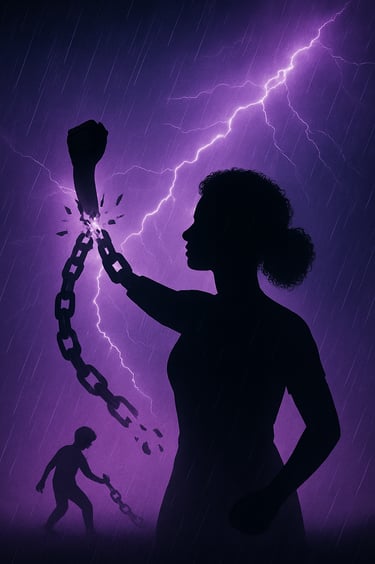
To break the chains that left you scarred
From where you came isn't who you are
Oh, my brother
You don't have to follow in your bloodline
I won't pretend that I know half the hell you've seen
But that don't mean that's somethin' that you're destined to repeat
You're stronger than you think
There’s a point in healing where the fight stops being about survival
and becomes about identity.
This section is that exact moment.
It’s the point where someone finally tells you
what you were never told growing up:
You are not the things that happened to you.
You are not the echoes you inherited.
You are not the chain.
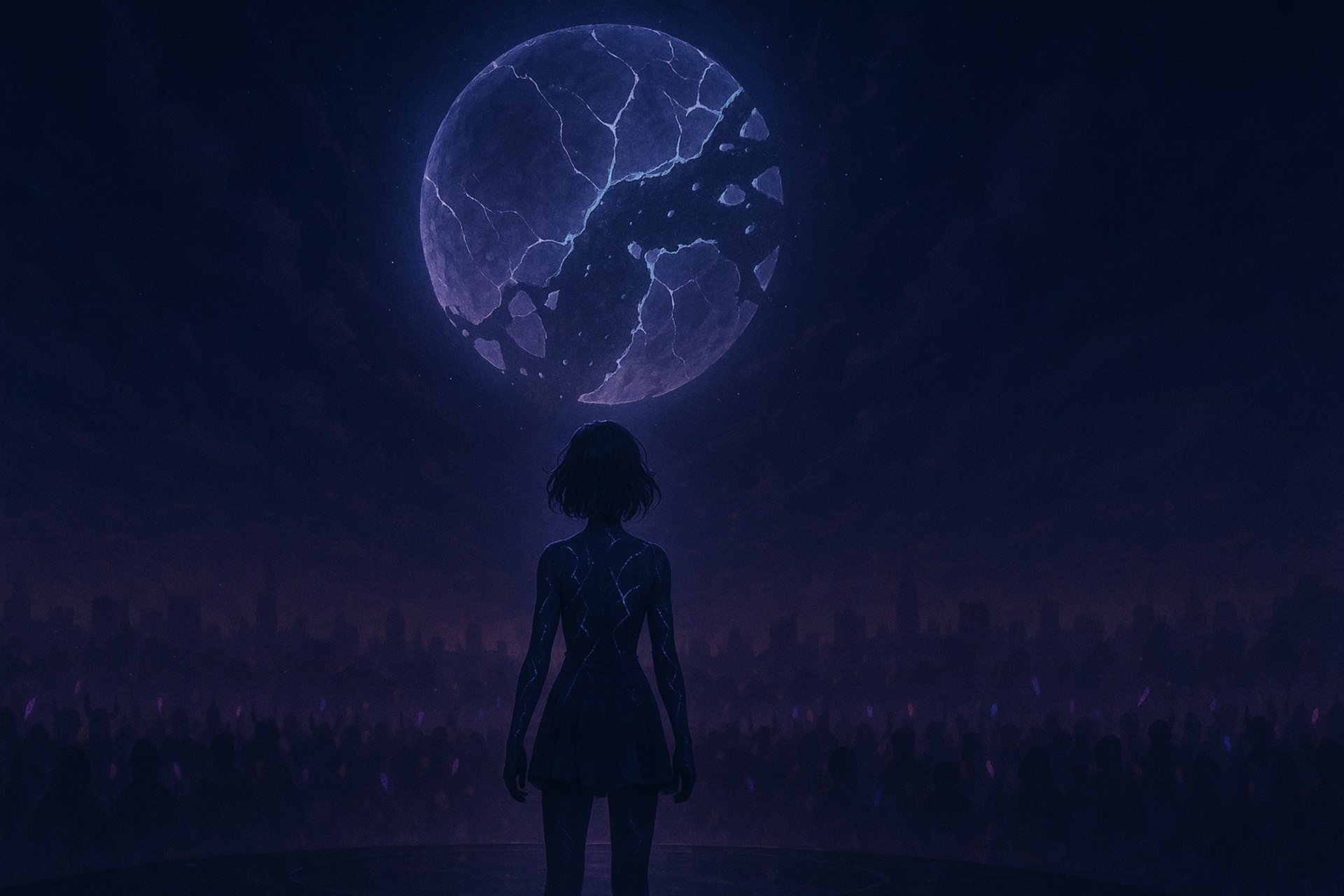
You are the break.
These lyrics speak to the people
who grew up believing pain was their birthright—
that trauma is passed down like a family heirloom,
that cycles are destiny,
that their story was already written
before they ever took their first breath.
But here, the song shifts.
It becomes the voice every wounded child needed:
“From where you came isn’t who you are.”
These lines reach for the places in you
that still flinch at shadows,
that still think being strong means being silent,
that still live in fear of becoming the very thing you escaped.
It acknowledges that scars don’t vanish
just because you leave the place that gave them to you.
Healing is not forgetting—
healing is remembering without becoming.
“You’re stronger than you think.”
This is the truth that trauma tries to bury:
your strength wasn’t born the day you grew up—
it was forged in the moments you weren’t sure you would.
This section is the reminder that
breaking the cycle is not a single act—
it’s a thousand small refusals.
A thousand quiet decisions.
A thousand moments where you choose differently
than the people who came before you.
It’s not easy.
It’s not clean.
It’s not quick.
But it is possible.
And the moment you believe that,
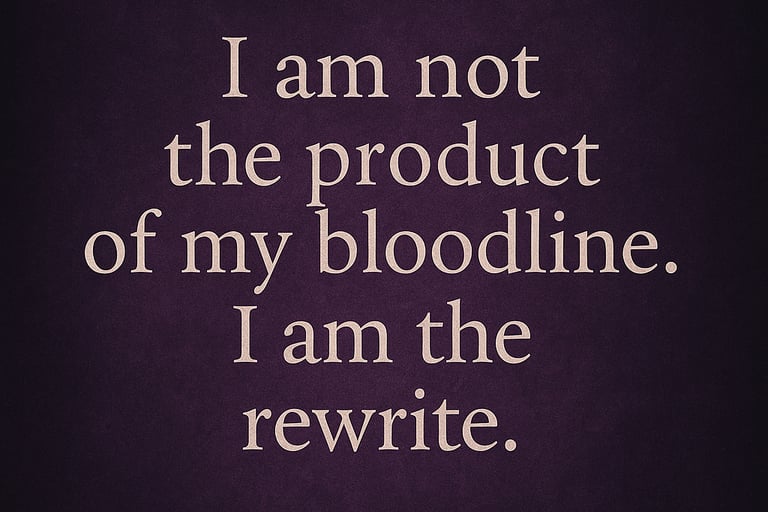
your story begins to rewrite itself.
SECTION 5 — “THE ROAD OUT”
Lyrics:
“I know it has to end, but you don't know where to start
You can pack your bags, and I'll meet you where you are
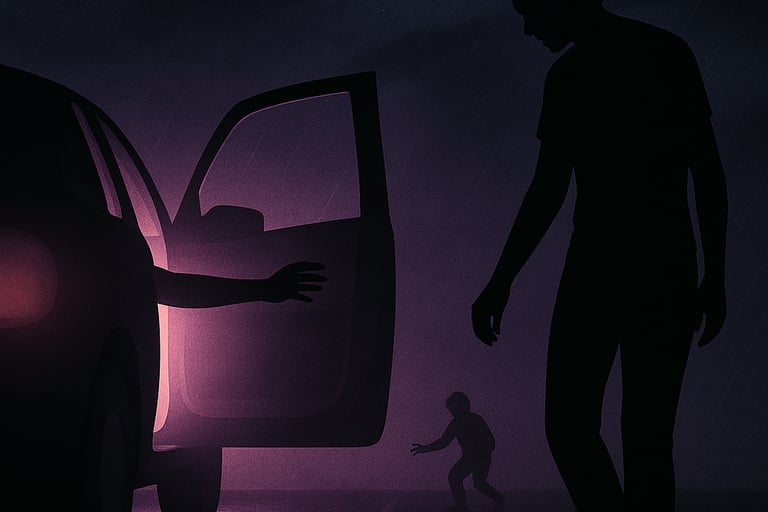
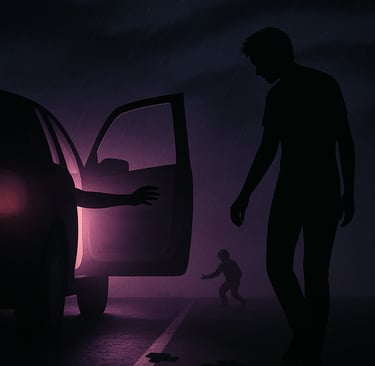
I'll be waiting in the car
In the dead of night, on that broken road
I won't let you walk alone”
There’s a moment in healing that never gets talked about.
Not the moment you break,
not even the moment you survive—
but the moment you decide you’re done carrying a story
that was never yours to keep.
This verse isn’t just about escape.
It’s about the terrifying reality that sometimes,
leaving is the most courageous thing a person will ever do.
Because ending a generational cycle isn’t a clean, triumphant movie scene.
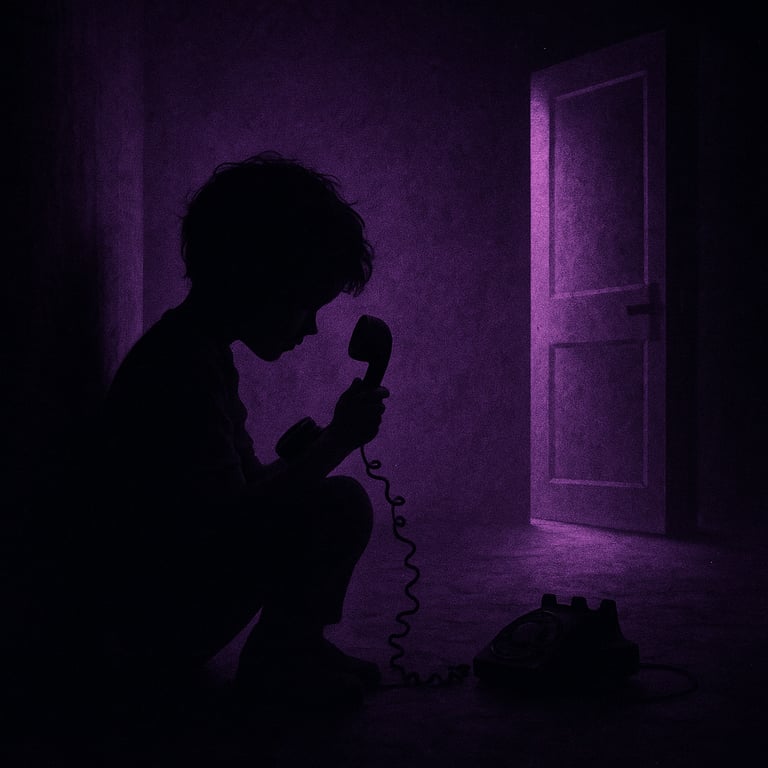
It’s standing in the dark staring at a door you’ve never opened,
trying to figure out if you’re strong enough to turn the handle.
It’s knowing the hurt has to stop with you
but having no idea where to put your hands
when you’ve spent your whole life holding pain.
It’s sitting on the edge of your bed at midnight
whispering to yourself,
“Where do I even start?”
and understanding that the question isn’t weakness—
it’s the first breath of freedom.
This verse tells you something most people never hear:
You don’t have to know where you’re going to deserve a way out.
Sometimes healing starts with a packed bag,
a deep breath,
and someone who shows up in your life like a quiet miracle,
saying:
“Get in.
You don’t have to do this alone.”
And maybe that person is a sibling.
Maybe it’s a friend.
Maybe it’s a partner.
Maybe it’s someone who simply refuses to let you disappear
into the patterns you were raised in.
Or maybe—
maybe that person is you.
Your future self, reaching back through the storm,
holding open a car door at the edge of the life you’ve known.
This verse carries a promise that feels like hands on your shoulders:
Even if the road ahead of you is cracked,
even if the night is long,
even if everything in you is trembling—
you don’t have to walk that road alone.
There is help.
There is hope.
There is a way forward that doesn’t repeat where you came from.
And the simple, profound truth buried in these lines is this:
No matter how broken the road looks—
you are allowed to take the first step.
SECTION 6 — “THE WAR IN YOUR HEAD IS NOT YOUR DESTINY”
Lyrics:
“You don't have to follow in your bloodline
We got each other
And if you got tomorrow, then you've still got time
To break the chains that left you scarred
From where you came isn't who you are
Oh, my brother
You don't have to follow in your bloodline
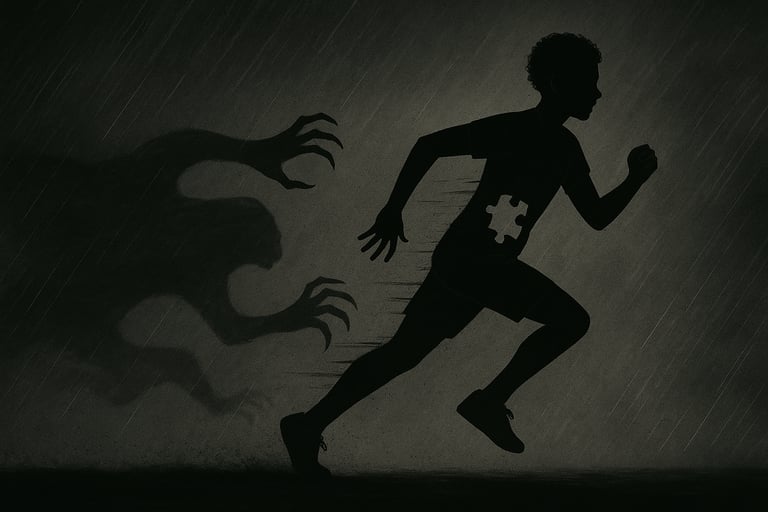
The storm keeps on ragin', but don't you forget
God's not done with you yet
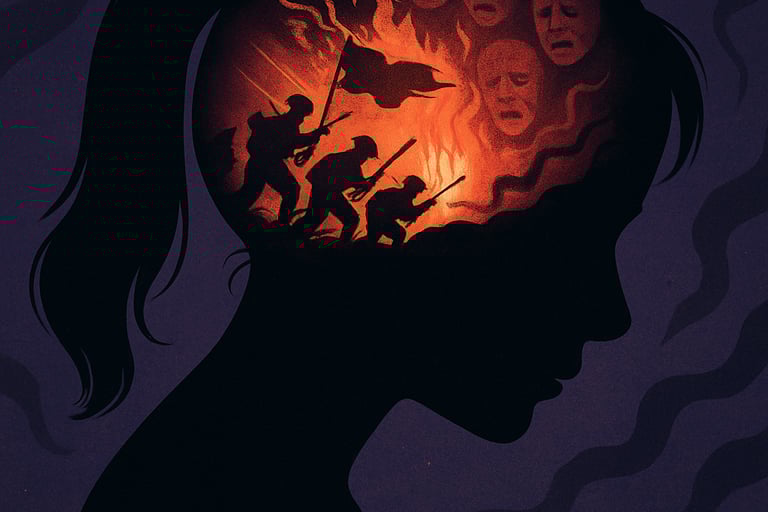
When it feels like you're losin' the war in your head
Just know this isn't the end”
There are lines in this part of the song that hit like a hand slipping into yours
at the exact moment you thought you were going under.
Because healing isn’t only about running from the past—
sometimes it’s about being reminded, gently and fiercely,
that the past doesn’t get to write your final chapter.
This section doesn’t whisper.
It declares.
It says:
“You are not doomed.”
Even if your childhood was chaos,
even if the people who raised you were broken,
even if you grew up believing you were made from damage—
that is not the blueprint for your life.
The lyric “From where you came isn’t who you are”
isn’t poetic;
it’s a lifeline.
There’s a whole world of people who spend their youth terrified
that they’ll become the very things that hurt them.
They watch themselves like shadows,
scared of repeating patterns they never chose.
This verse looks you straight in the soul and says:
You are allowed to be different.
You are allowed to be new.
You are allowed to become someone the past never saw coming.
And when the song says
“God’s not done with you yet,”
it doesn’t feel religious
as much as it feels like a reminder
that purpose can come from pain,
that survival carves its own kind of meaning,
that the very fact you’re still here
means the ending hasn’t been written.
The line “When it feels like you're losin' the war in your head”
is one of the most honest things a song has ever said.
Because some battles happen so quietly,
no one even knows you're fighting.
You carry memories like landmines,
thought patterns like ghosts,
fears like inherited scars.
And still—
“This isn’t the end.”
Not the end of you.
Not the end of your story.
Not the end of what you can become.
This section is the promise the wounded rarely hear:
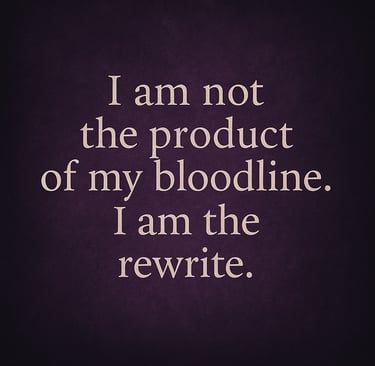
Your bloodline can be the beginning of your story,
but it never has to be the end of it.
And no matter how violent the storm inside you feels,
you are not alone in the dark.
There is still tomorrow.
There is still time to become the person you needed.
There is still a path that leads forward,
even if you can’t see it yet.

Connect
Reach out to share stories or questions.
defiantheartcreations@outlook.com