
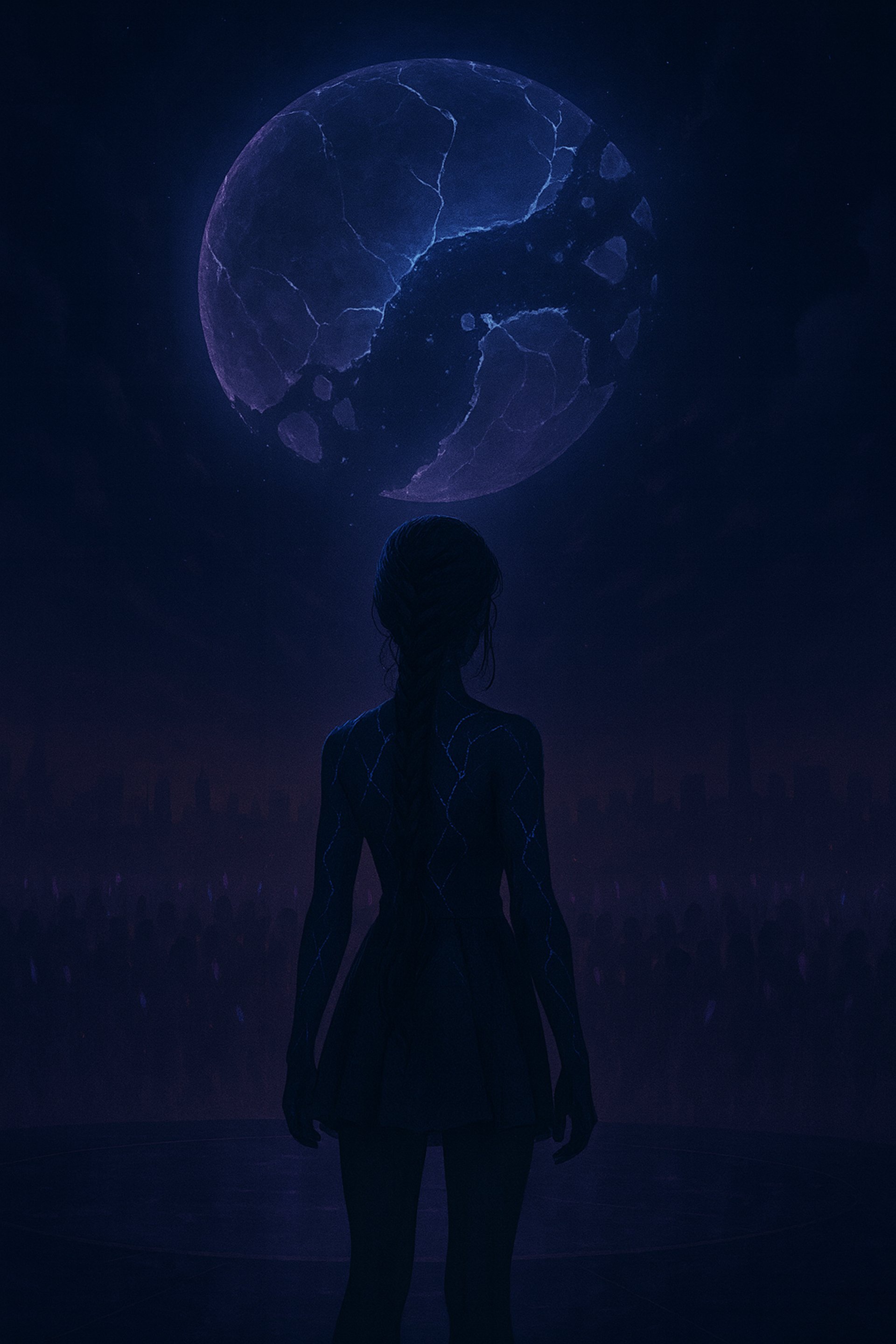
The Shame We Hide: A Deep K-Pop Demon Hunters Breakdown
A deep emotional analysis of K-Pop Demon Hunters, exploring Rumi’s glowing lines, Jinu’s deal with Gwima, and how shame, trauma, and identity shape the film’s most powerful moments. This breakdown dives into symbolism, character arcs, and the lesson at the heart of the story: sometimes the only way to save yourself is to stop hiding who you are.
MUSIC, OR MOVIE INSIGHTSCREATIVE WRITINGK-POP DEMON HUNTER ANALYSISEMOTIONAL HEALING
11/28/202530 min read
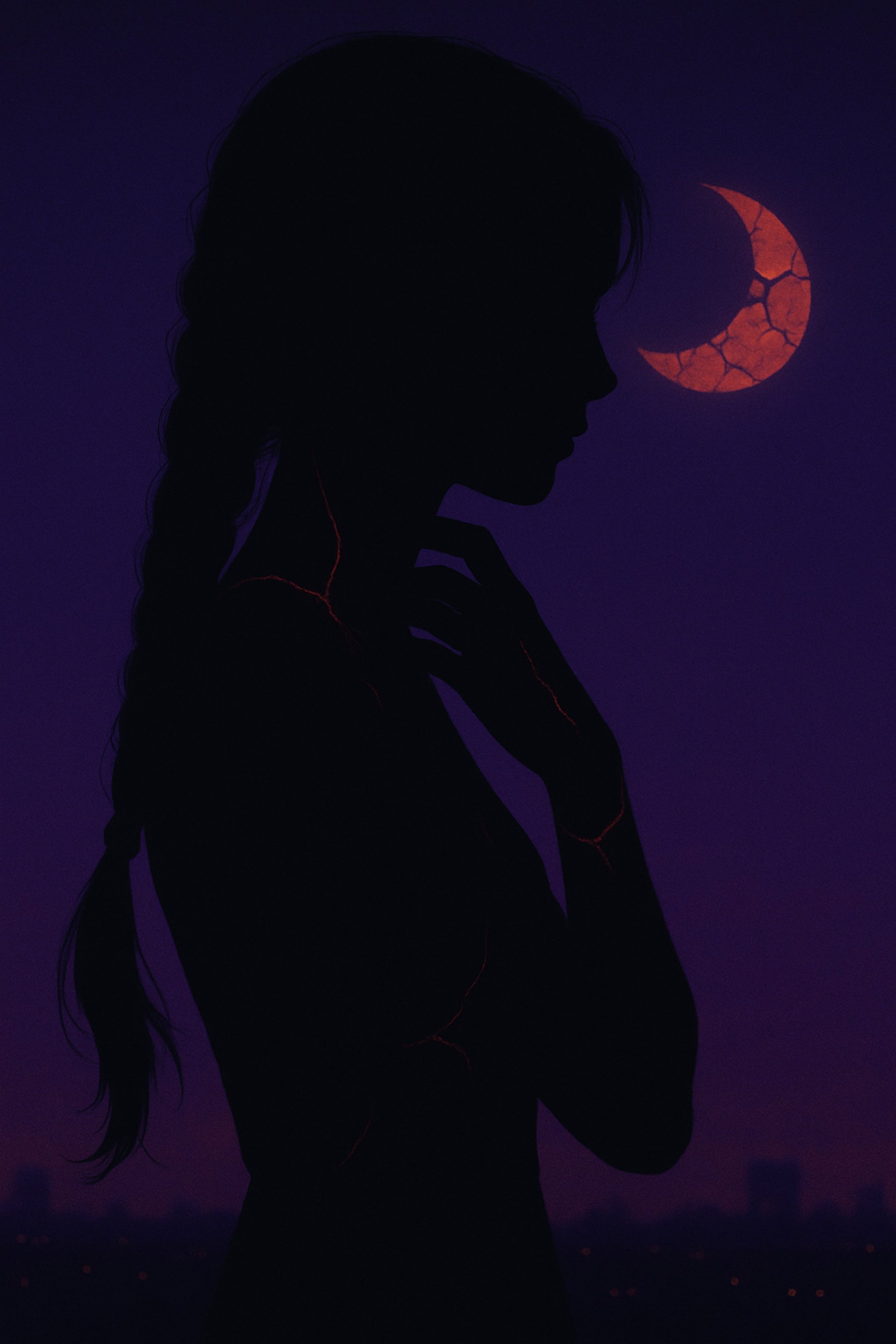
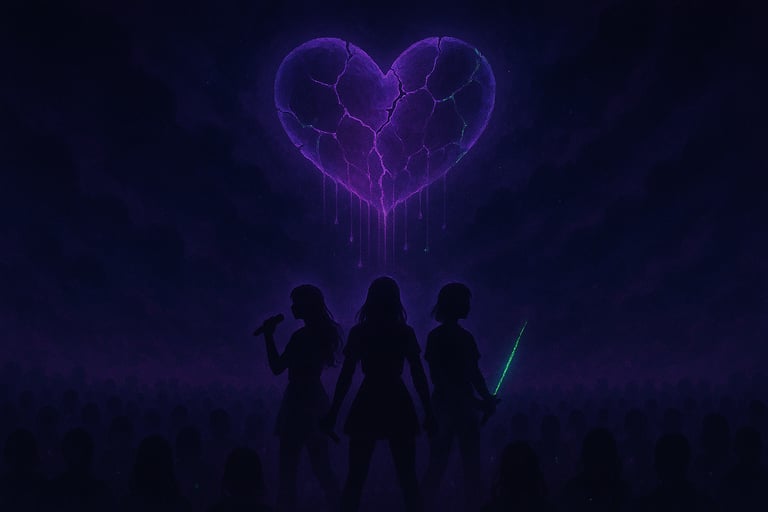
For a movie that was supposed to be for kids, K-Pop Demon Hunters hit me harder than I expected. I can’t get it out of my head — not because of the music or the animation, but because of what it said without ever saying it out loud.
The main character, Rumi, grows up hiding something she was born with — her glowing patterns. She learns to cover them, lie about them, feel ashamed of them. And the heartbreaking part is that the more she hides, the worse they get. The more she tries to push them down, the louder they pulse. The more she pretends they aren’t there, the more they demand to be seen.
It made me think about how often that happens in real life.
The things we’re told to hide —
our differences,
our beliefs,
our pasts,
our identities,
our grief,
even the things that bring us joy —
they don’t disappear.
They just grow heavier.
If she hadn’t been made to feel ashamed, maybe her lines wouldn’t have consumed her. But shame feeds on silence. Every lie she told to fit in pulled her further away from herself. And that part cracked something open in me.
Because I’ve felt that too — the quiet weight of pretending to be “normal,” the fear of showing the parts of myself that don’t fit neatly into the world’s acceptable little boxes. Whether it’s sexuality, faith, trauma, mental health, or something as simple as loving spooky things — people judge what they don’t understand. They make it about darkness or danger, when really it’s about expression. It’s about healing. It’s about seeing beauty in the shadows.
Rumi and the Wounds We’re Taught to Hide
Rumi grows up marked — literally. Her patterns aren’t something she chose. They are something ancient, something inherited, something tied to a history she never asked for. And from the moment they appear, her life stops being her own.
After her mother’s death, she is raised by her aunt — a woman who truly loves her, but who was raised to believe that anything with glowing patterns meant danger, corruption, or demon blood. A belief passed down through generations, not out of cruelty, but out of fear. Fear that anything marked was evil. Fear that exposure meant death. Fear that the world would destroy what it couldn’t understand.
So her aunt does the only thing she knows how to do:
She tells Rumi to hide.
Hide the marks.
Hide the glow.
Hide the truth.
Hide everything.
Not because she wants to control her —
but because she desperately wants to protect her.
But here’s where the wound deepens:
Protection born from fear still becomes shame.
Her aunt didn’t understand the damage she was imposing.
She didn’t see how her trembling warnings shaped the girl she was raising.
She didn’t realize that the fear in her voice would become the fear in Rumi’s heart.
To the aunt, hiding the lines meant safety.
To Rumi, hiding the lines meant:
“Something in me is wrong.
Something in me is dangerous.
Something in me must stay buried for me to be loved.”
Rumi wasn’t shamed out of hatred —
she was shamed out of love twisted by inherited fear.
And that is the most confusing, painful kind of shame to grow up with.
Because you don’t know whether to resent it or believe it.
Her aunt never meant to hurt her.
She simply didn’t know another way.
She couldn’t imagine a world where Rumi’s glow wasn’t a threat.
So Rumi becomes a child raised in the quiet violence of hiding.
A girl who learns her truth must never be visible.
A person who survives by becoming smaller than she actually is.
And that is exactly how so many of us grow up.
We hide our identities.
Our trauma.
Our mental health.
Our queerness.
Our beliefs.
Our creativity.
Our weirdness.
Our dreams.
Even the things that make us feel alive.
Because someone, somewhere, taught us that visibility equals danger.
The Patterns as a Metaphor for Trauma
The more Rumi hides, the worse her lines become.
The more she lies, the more they spread.
The more she tries to shrink herself into something safe, the louder her body screams:
This is who you are. Stop hiding.
That is trauma.
That is anxiety.
That is generational shame.
Pain doesn’t disappear just because we learn to tuck it away.
It burrows deeper.
It mutates.
It embeds itself in the body.
Sometimes it becomes the very thing we’re most afraid of —
not because it’s dangerous,
but because it’s unspoken.
Rumi’s patterns become a map of every secret she was forced to carry.
A glowing record of everything she wasn’t allowed to be.
A physical manifestation of what it feels like to live a double life —
the face you show the world
versus the truth you keep behind your ribs.
And she can’t stop it.
Not because she’s weak,
but because she was never shown that honesty and safety can coexist.
So she keeps hiding.
She keeps covering.
She keeps lying.
And her body keeps pulsing louder, begging to be seen.
It’s something every survivor knows too well —
the way silence becomes a second skin,
the way hiding becomes instinct,
the way the truth keeps surfacing no matter how tightly we try to hold it down.
The Patterns That Take Her Voice
The most devastating moment in Rumi’s story isn’t when the patterns spread across her skin —
it’s when they reach her throat.
Because her voice isn’t just a talent.
It’s her power.
It’s her purpose.
It’s the one thing that stabilizes the Hon Moon, the celestial force that keeps the demons sealed away from humanity.
Her voice is her weapon.
Her contribution.
Her offering to the world.
Her proof that she can still be good, still be useful, still be worthy.
Her aunt raised her to believe that once the Hon Moon turns gold —
once the demons are sealed back into the underworld —
her lines should disappear.
Her shame should disappear.
She should finally be “fixed.”
So Rumi grows up believing her entire worth hinges on her ability to control her lines
and use her voice to keep the world safe.
But the irony —
the tragedy —
the heart-splitting symbolism
is that the more she hides her truth,
the more her lines spread
until they reach the one place she cannot afford to lose:
her throat.
Her voice.
Her power.
Her hope.
It’s like her own body is saying:
“If you won’t speak the truth you’ve buried,
then you don’t get to speak at all.”
She isn’t being punished by demons.
She’s being punished by silence.
By fear.
By the years she spent hiding the most fundamental part of herself.
Her voice —
the thing meant to save the world —
becomes the thing she is losing to her own shame.
And that’s the moment everything starts falling apart.
Because she’s so close.
So close to sealing the Hon Moon.
So close to fulfilling the prophecy she’s been clinging to her entire life.
So close to earning the redemption she was taught she could achieve only through perfection and secrecy.
She believes if she can just finish this —
just push through,
just be good enough,
strong enough,
quiet enough —
her patterns will go away.
Her shame will disappear.
She will finally be safe inside her skin.
But as the patterns steal her voice,
she is forced to face the truth she has been outrunning for years:
Hiding yourself doesn’t heal you.
Silencing who you are doesn’t save you.
Shame doesn’t disappear because you obey it.
It grows.
It spreads.
It takes.
And it takes the very things you need most.
In that moment, losing her voice isn’t failure.
It’s the collapse of a belief system she was raised on.
A belief system built on fear, inherited trauma, and the false promise that if she hid hard enough, she could earn freedom.
Her voice being taken is the symbolic breaking point —
the moment where the body refuses to perform
what the soul refuses to acknowledge.
And for the first time,
Rumi is forced to confront a terrifying truth:
She cannot save the world
or herself
by disappearing.
The Quiet Rebellion: Rumi and Jinu
Two shame-marked souls crossing paths in the dark
Before anything unravels later,
before the demons whisper and the illusions break,
there is a quiet corner of the story
where Rumi and Jinu are revealed for what they truly are:
Not enemies.
Not weapons.
Not symbols of prophecy or curse.
Just two young people shaped by wounds
they never asked to carry.
It begins with Jinu’s shame.
Jinu’s Deal with Gwima:
A Choice Made in Hunger
Jinu wasn’t born into darkness.
He was born into hunger.
Real hunger —
hunger that makes the ribs sharp under the skin,
hunger that makes the world small and choices disappear,
hunger that makes survival the only language you know.
He loved his mother.
He loved his sister.
But love can’t fill stomachs.
Love can’t keep you warm in the cold.
So when Gwima appeared with an offer —
a way out,
a way to stop hurting,
a way to simply live —
Jinu took it.
He didn’t choose evil.
He chose survival.
But survival came with a cost.
To accept Gwima’s deal,
he had to leave his mother and sister behind.
Walk away.
Alone.
Saved, but not really saved at all.
That moment —
the moment a starving boy chose life over family —
became the wound he carries like a brand.
A memory he cannot escape.
A shame that lives in the hollow behind his ribs.
A secret Gwima uses to control him.
Jinu obeys because he cannot bear the weight of that choice.
He betrays because he doesn’t know how to live with his past.
He continues because pain makes even bad deals look like mercy.
And when the pain becomes unbearable,
Jinu offers Gwima something new:
He creates the idea of the Saja Boys,
a demon idol group designed to steal HUNTR/X’s fans
and weaken the Hon Moon that protects the human world.
If it works —
if their plan succeeds —
Gwima will grant him what he wants most:
Erase his memories
of abandoning his family.
No wound.
No shame.
No guilt.
Just silence.
Jinu isn’t seeking power.
He’s seeking anesthesia.
He wants a life where his past doesn’t echo every time he breathes.
The Bathhouse Encounter: When Instinct Overpowers the Mission
The moment everything shifts — in the middle of battle
Jinu doesn’t discover Rumi’s lines in a moment of calm.
It happens while they’re fighting.
Fast.
Close.
Violent.
Messy.
Rumi dodges.
Jinu blocks.
Their arms crash together,
and in that blur of motion,
the fabric of Rumi’s sleeve rips.
A small tear.
Barely anything.
But enough.
The faint pattern on her arm becomes visible.
Not glowing.
Not burning.
Just there —
forbidden,
dangerous,
exposed.
Rumi freezes.
Her entire body goes still,
as if the world grabbed her by the spine.
She covers the tear with her hand,
fingers trembling,
the fear in her eyes sharper than any blade.
She’s not afraid of the fight.
She’s afraid of being seen.
Years of hiding collapse into that one reflex.
But Jinu moves faster than her fear.
Before she can even react,
he pulls her into him —
a sudden, instinctive embrace —
and with one swift motion,
he wraps cloth around her sleeve,
covering the tear,
protecting her secret,
shielding the part of her she’s terrified of anyone knowing.
It’s not gentle.
It’s urgent.
Automatic.
A reflex born from a place deeper than allegiance.
He’s still fighting her.
Still in demon form.
Still on the opposite side of every line in the war.
But in that moment,
something else overrides the mission:
recognition.
He knows that fear.
He knows what it means to freeze under the weight of a past you can’t escape.
He knows what it means to hide the thing that hurts most.
So he protects her.
Even though it makes no sense.
Even though she is supposed to be the enemy.
Even though covering her lines could cost him everything.
And when the cloth is secured,
he disappears —
leaving her shaken, confused, and still midbattle.
Jinu on the Street: The Beginning of Doubt
The moment a demon boy begins questioning the world
Later, Jinu walks alone down a dim street.
No fighting.
No shouting.
No team.
Just him —
and the weight of what he did.
He should be proud.
Or angry.
Or triumphant.
Instead he feels something unfamiliar:
unsettled.
Why did he protect her?
Why did she freeze like that?
How is a half-demon girl living among humans at all?
What rules does she break simply by existing?
These questions hit him harder than any blow in battle.
He isn’t afraid of Rumi.
He’s haunted by the moment he saw something in her
that mirrors the part of himself he hates the most.
Her fear looks like his fear.
Her shame looks like his shame.
Her instinct to hide looks like his instinct to forget.
And that terrifies him more than any demon ever could.
Gwima’s Pull: A Mark With No Explanation
The moment the demon king admits uncertainty
Before Jinu can follow the thread of his thoughts,
the ground warps beneath him
and Gwima drags him back into the underworld.
The demon king is not angry.
He is confused.
He sensed something on Rumi —
his mark —
but when he tried to reach her,
to whisper,
to influence,
to thread his power into her shame…
nothing happened.
No foothold.
No access.
No fear he can twist.
Rumi bears his mark
yet is completely immune to him.
Even Gwima — ancient, manipulative, all-knowing —
cannot explain this.
And that lack of explanation
is dangerous.
He says only one thing:
“I have no influence over her.”
For a creature built on control,
that admission is seismic.
Jinu realizes it too.
If Gwima cannot touch her,
cannot sway her,
cannot reach her…
then she is either a threat
or a key
or both.
So Jinu decides —
coldly, logically, strategically —
that he will find her weakness.
Not her power.
Not her mark.
Her shame.
Because he saw it.
He felt it.
He recognized it instantly.
And if he can find the source of that shame,
he can control her.
At least,
that’s what he tells himself.
But the truth is quieter:
He protected her instinctively.
And it shook him.
And he needs to know why.
The Joint Signing: Hope in a Moment Born From Chaos
The joint signing wasn’t planned.
HUNTR/X was supposed to have a normal fan signing —
smiles, posters, cheering fans.
Then the Saja Boys crashed it.
No warning.
No announcement.
Just a sudden entrance that froze the room.
Rumi reacted instantly.
So she did the one thing no one expected:
She invited them to sit at the long signing table.
She saw if she didn't half the fans went to the other table.
She new they needed every fan to power the Hon moon.
It wasn’t diplomacy.
It was instinct.
Survival.
Quick thinking from someone used to hiding everything else.
And that’s how she ended up side-by-side with Jinu again.
“Are you going to tell them?” — Shame whispered in the middle of a crowd
They don’t talk in private.
They talk at the table,
amid the noise of fans and cameras.
Jinu asks quietly,
almost carefully:
“Are you going to tell them?”
Meaning her friends.
About her patterns.
Rumi keeps signing posters,
trying to keep her hand from shaking.
She answers:
“I will. Eventually.”
It’s the first time she admits it aloud —
not in safety,
but in chaos.
He realizes his intuition is correct and that her friends
don't know about her patterns.
He could have destroyed everything,
right then and there... but he didn't.
Because he recognizes shame when he hears it.
“I hate my patterns. I hate Gwima.” — A truth she can’t swallow anymore
Still signing,
still smiling for fans,
still pretending everything is normal…
Rumi cracks.
She tells him:
“I hate my patterns.
I hate Gwima.
I hate anything that helps him.”
It spills out raw,
uncontrolled,
like a wound tearing open.
Jinu responds with the quiet weight of four centuries:
“If hate could defeat Gwima…
I would’ve done it a long time ago.”
It’s not sarcasm.
It’s regret.
And she hears it.
“Can you hear Gwima?” — The question that reveals his loneliness
Jinu looks at her and asks if she can hear Gwima in her ear
because of her marks.
He’s asking if she lives with the same constant intrusion he does —
if Gwima’s voice crawls into her thoughts
the way it does into his.
Rumi doesn’t.
She doesn’t hear Gwima.
She doesn’t carry that voice the way he does.
She doesn’t fully grasp what he means at first.
When she reacts with confusion,
he lets out a small, bitter line:
“It must be nice.”
And that’s the wound.
Because what he really means is:
It must be nice not to hear him.
Not to have him in your head.
Not to live with his voice pressed up against your thoughts every day.
She is marked,
but free.
He is bound,
body and mind.
And that realization cuts him deeper than he wants to show.
“You have a beautiful soul.” — The moment that shakes Jinu
Then a fan approaches Jinu,
hands him a drawing,
and tells him:
“You have a beautiful soul.”
He freezes.
Because no one —
not since before he left his family,
not since before he made his deal —
has told him anything like that.
Rumi sees him falter,
sees the way those words land inside him like light in a locked room.
So she leans toward him and says:
“Maybe you should listen to those voices
instead of the ones inside your head.”
It hits him hard.
Too hard.
He abruptly says the Saja Boys have to leave.
But as they walk out,
the other boys toss their flowers and gifts into the trash.
Jinu doesn’t.
He lingers over the drawing.
Over the words:
beautiful soul.
For the first time in centuries,
he can’t throw them away.
The Hope Conversation — Later, when the crowd is gone
They meet again later,
away from the noise,
away from the fans.
This is where Rumi tells him
that talking to him
has helped her voice.
She tells him
that if he helps seal the Hon Moon,
he could stay in the human world—
free from Gwima’s control.
Jinu admits he doesn’t think he deserves hope.
And she tells him:
“That’s the thing about hope…
no one else gets to decide if you feel it.”
For a moment —
just a moment —
they both feel it.
A little hope.
And that’s exactly what makes what happens next
hurt so much.
Gwima’s Grip Tightens: When Shame Becomes a Weapon
The moment hope becomes dangerous — and Jinu collapses under the weight he’s carried for centuries
After the signing, after the picture,
after Rumi’s words about hope…
the ground splits beneath Jinu’s feet like a judgment.
Gwima drags him back into the underworld.
No theatrics.
No grand speeches.
Just a shadow reclaiming what belongs to it.
Jinu doesn’t face Gwima at first.
He stands before a crowd of demons instead, shoulders stiff, voice forced flat as he says:
“It was all part of the plan.”
It sounds rehearsed. Hollow. Like he’s trying to convince himself as much as them.
Then—
a low laugh curls through the chamber.
Not from the crowd.
From behind him.
Jinu startles—actually flinches—and turns.
Gwima is standing there, smiling like he already knows how this ends.
“I almost thought you believed her,”
he says, amused.
“That little spark you felt… that hope… you really thought you could escape what you did?”
Jinu’s jaw tightens, but he doesn’t speak.
Gwima leans closer, voice dropping into something cold and intimate:
“Remember our deal.”
Jinu’s breath stutters.
And then Gwima whispers the threat that has owned him for centuries:
“I can always make the voices louder.”
Then he does.
It hits instantly.
The sound inside Jinu’s head explodes—
all of it surging up at once, turned to maximum volume.
You see it hit him physically.
His expression twists.
His knees nearly buckle.
His hands tremble as he tries to hold himself together.
And just like that—
hope dies in his eyes.
That's all it takes.
Because the voices are not whispers.
They are every horrific memory Jinu has ever tried to outrun:
His starving childhood.
The cold.
His mother’s face as he left.
His sister calling out.
The guilt.
The shame.
The abandonment.
The moment he believed he chose wrong.
Gwima doesn’t need to torture him.
Jinu is already living inside the torture.
And Gwima knows how to amplify it.
Jinu’s Breaking Point
Jinu’s betrayal doesn’t come from:
cruelty
ambition
desire
power
malice
It comes from panic.
From a promise he made when he was nothing but a starving boy.
From the desperation of someone who has lived with guilt as a second heartbeat.
He needs those memories gone.
He needs silence.
He needs relief.
He needs the pain to stop.
And Gwima knows exactly how to weaponize that need.
He doesn’t tell Jinu how to proceed.
He doesn’t give him instructions.
He doesn’t say Rumi’s name.
He just tightens the pressure:
Succeed, or suffer.
Jinu breaks.
Not all at once.
Not dramatically.
Quietly.
Fatally.
The tiny flicker of hope Rumi gave him
is crushed beneath the weight of centuries-old shame.
The belief that he might deserve something better
is drowned by the roar in his skull.
And the fragile connection they formed
becomes collateral damage.
Why This Betrayal Hurts So Much
Jinu doesn’t betray Rumi because he wants to hurt her.
He betrays her because he’s drowning
and Gwima’s grip on his shame is the only thing keeping him alive.
He betrays her because:
he thinks she’s strong enough to survive it
he thinks he isn’t
he thinks redemption is a fantasy
he thinks silence is his only salvation
He betrays her because he cannot bear
another minute of the memories Gwima controls.
And that makes this betrayal
one of the most tragic parts of the whole film.
Because Jinu didn’t just betray Rumi.
He betrayed the one moment in centuries
where he was starting to feel human again.
He betrayed the hope she gave him.
He betrayed the version of himself he could have become.
And in doing so —
he breaks himself.
The Stage Illusion: When Shame Is Turned Into a Trap
The demons don’t attack Rumi with claws or magic.
They attack her with the one thing she cannot defend against: being seen.
It begins innocently.
Rumi is mid-performance,
her voice still fragile,
her patterns quiet beneath her sleeves,
her heart pounding in time with the Hon Moon glowing above the crowd.
She is holding everything together —
her breath, her fear, her hope —
by the thinnest thread.
This part of the song is hers alone.
Her bandmates are offstage for only a moment —
a tiny window
the demons slip into like smoke.
Rumi thinks she’s safe in the spotlight.
She has no idea it’s about to become a trap.
The Setup — A Demon Wearing Bobby’s Face
Backstage, in the brief moment Rumi sings solo,
her bandmates spot something wrong:
Bobby —
their always-panicked, always-yelling manager —
being dragged away by a demon.
They react instantly.
No hesitation.
No second-guessing.
Just instinct and loyalty.
They chase after him,
weapons drawn—
never noticing that “Bobby” moves wrong,
breathes wrong,
is wrong.
It's a demon in disguise.
And pulling them offstage was the point.
On stage, Rumi doesn’t see any of this.
She keeps singing,
believing her group will join her at the next cue,
unaware she is about to be left alone
in the most dangerous moment of her life.
The Lights Drop — And the Wrong Song Begins
Rumi lifts her voice for the next line—
The lights flicker and then everything goes dark
and the music stops.
And then the speakers erupt.
Not with the song they agreed upon.
Not with anything unfamiliar.
But with the song HUNTR/X had agreed not to perform.
Not because it was too difficult.
Not because it wasn’t finished.
But because it wasn’t who they were.
It was:
too hateful
too sharp
too divisive
too unlike their purpose
It wasn’t a song that would unite the fans —
it couldn’t even unite them as a group.
It wasn’t a song that strengthened the group —
it fractured them.
HUNTR/X buried it.
Decided on a song that showed the best of them instead.
And now, under strobing lights and a cheering audience,
that buried song rises like a curse.
Rumi’s stomach drops.
She knows instantly something is wrong,
figuring maybe the song had been put back in by mistake.
The hateful song becomes the rhythm of her unraveling.
The Swap — Demon Copies Take the Stage
The lights crackle back on—
and her bandmates are suddenly there.
Or so it looks.
Their smiles are unnaturally stretched.
Their eyes are too still.
Their movements too sharp, too synchronized, too wrong.
They fall into formation around Rumi
with terrifying ease.
She tries to keep singing,
tries to stay in rhythm,
tries to believe this is some technical error she can push through—
but then, between the lyrics,
between breaths only she can hear,
they lean in and whisper:
“We know what you are.”
“We saw your patterns.”
“You lied to us.”
Rumi’s heart stutters.
Her throat tightens.
Her hands start to shake.
Her patterns crawl under her skin like they’re trying to escape.
The choreography from the hateful song —
the choreography they all rejected —
forces her into the center of the stage,
isolated, exposed, trapped under the harshest light.
The demon copies bump her,
shove her just enough to keep her off balance,
turning her into a spectacle.
The whispers sharpen:
“You shouldn’t have been born.”
“You’re a mistake.”
These aren’t new ideas.
They’re the exact sentences she’s been afraid of her whole life.
The demons aren’t inventing new cruelty.
They’re amplifying the cruelty she’s already internalized.
Backstage — Her Friends Realize the Truth Too Late
While Rumi’s world is collapsing onstage,
her real bandmates reach the fake Bobby.
He turns into a demon and laughs at them for falling for the trap.
Horror hits them all at once.
Rumi is alone.
Rumi is exposed.
Rumi is in danger.
They sprint for the stage —
calling her name,
shoving through curtains,
running as if they can feel the seconds slipping away.
They are trying to get back to her.
But the demons timed it too well.
Rumi Breaks — And Her Patterns Ignite
Onstage, Rumi’s breath shreds.
Her patterns flare—
bright, painful, impossible to hide.
It isn’t anger.
It isn’t a triumphant power-up.
It’s shame detonating in her skin.
A pulse of light blasts outward,
knocking out the lights,
shaking the stage,
forcing the crowd into stunned silence.
The demon copies vanish—
illusion complete.
And at that exact moment—
her real friends burst onto the stage.
They skid to a stop.
Frozen.
Wide-eyed.
Breathless.
All they see is Rumi glowing violently in the center of the ruined stage,
her face streaked with tears,
her body trembling.
They didn’t see the demon copies.
They didn’t hear the whispers.
They didn’t witness the trap.
All they see is the aftermath.
They don’t rush her.
They don’t attack.
They don’t draw weapons.
They just stop.
Confused.
Scared.
Trying to process what they’re seeing.
Her Friends Arrive — But Rumi Never Sees Them
Her patterns explode into light,
the stage shakes,
the hateful song dies in a burst of static—
and Rumi stands alone
in the center of a nightmare.
Her breath is ragged.
Her vision swims.
Her patterns glow uncontrollably.
Her throat burns with the scream she didn’t let out.
And just as the demon copies vanish,
her real friends crash onto the stage—
but Rumi doesn’t see them.
She’s already gone.
Already running.
Already breaking.
All she knows is that she has to get away.
Away from the lights.
Away from the eyes.
Away from the stage
where she was made a spectacle
and her shame was pulled into the open.
So she turns and bolts into the wings,
stumbling down the stage steps,
tears blurring everything around her.
She runs because she’s terrified.
She runs because she’s humiliated.
She runs because she cannot breathe.
Not because of anything her real friends did—
but because of everything the demons made her believe.
Backstage: The Confrontation That Breaks Her Completely
Rumi hits the bottom of the stairs in a wobbling sprint—
and runs right into them.
Her friends.
Her real friends.
For a moment—
just one fragile heartbeat—
relief floods through her chest.
They’re okay.
That wasn’t them onstage.
They’re here.
But then they start speaking—
tentatively, gently, confused—
and the fragile relief cracks.
“Rumi… you have patterns.”
Her breath stutters.
Her whole body trembles.
Her legs barely hold her up.
She’s shaking.
Crying.
Barely able to stand.
The words tumble out of her in broken gasps:
“I didn’t mean for this—
I was trying to fix it—
I thought when we sealed the Hon Moon everything would be okay—
my patterns—
all of it—
I thought it would go away.”
They stare at her, overwhelmed.
Trying to understand.
Trying to breathe.
Trying to catch up to a crisis they didn’t witness.
Trying to reconcile the girl they know
with the girl glowing in front of them.
Then she says the one name
that shatters the room:
“Jinu.”
Their faces change instantly.
Pain.
Fear.
Confusion.
Betrayal.
And then the questions fall hard and fast:
“Why were you talking to him?”
“You’ve been hiding this the whole time?”
“Rumi… were you working with him?”
Their fear changes shape—
no longer just about the patterns
but about trust.
About secrets.
About everything they didn’t know.
About the possibility that the girl they love
has been suffering alone
and didn’t trust them enough to tell them.
Rumi breaks deeper.
“I wasn’t working with him!
I was trying to keep you safe.
I thought if I could just seal the Hon Moon,
everything would be fixed—
my patterns,
the demons,
all of it.”
Her desperation spikes.
Her glow flickers with it—
not bright, not dangerous—
just unstable, like a breaking heartbeat.
She’s not threatening them.
She’s collapsing in front of them.
But panic doesn’t understand nuance.
Her friends flinch,
hands rising instinctively toward their weapons—
not to attack,
but to protect themselves
because they don’t understand what she’s feeling
or what she might do next
or where the truth even begins anymore.
They feel betrayed.
Hurt.
Unsure what is truth and what is a lie.
Unsure how much of this came from her
and how much was forced on her.
Weapons raised,
to warn her not to come closer.
Not out of violence,
but out of fear.
And Rumi breaks—
not from their raised weapons,
but from what those raised weapons mean.
Exactly like the demons said.
Exactly like she always feared.
Her breath collapses into a sob.
Her patterns dim with heartbreak.
Her heart feels like it’s splitting down the center.
And she runs.
The night air hits Rumi like a slap.
Cold.
Hard.
Unforgiving.
Her lungs burn as she sprints through the backstage corridors,
patterns still flickering across her skin like lightning trapped beneath her ribs.
She doesn’t know where she’s going—
only who she needs to find.
The one person
whose actions broke everything open.
The one person
whose silence hurt more than any demon attack.
The one person
she has to look in the eye,
even if it destroys her.
Rumi Confronts Jinu — The Breaking Point
Rumi doesn’t find him alone.
When she turns the corner,
her breath shatters.
Jinu stands there—
not by himself,
but surrounded by the demon versions of her friends.
His posture rigid,
as if he's trying to hold himself together
with nothing but willpower.
Their stolen faces watch her with empty, corrupted eyes,
the same eyes that mocked her onstage,
the same mouths that whispered her deepest fears.
The betrayal hits her like a physical blow.
Her voice breaks before the words even form:
“Tell me you didn’t do this.”
Jinu doesn’t look triumphant.
He doesn’t look cruel.
He doesn’t even look defiant.
He looks defeated.
Defeated in a way
only someone who has already accepted suffering
as their destiny can look.
His response is barely above a whisper:
“It was all part of the plan.”
Rumi’s face crumples.
“No…”
Her voice shakes violently.
“Jinu, no—don’t do this.
Don’t lie to me.
I felt what we had.
I know it was real.”
His jaw tightens.
His eyes flicker with something—
regret, longing, grief—
but he shuts it down.
Coldly.
Harshly.
Like someone slamming a door on their own heart.
“I just needed you to trust me,” he says.
“That’s all.”
He snaps his fingers,
and the demon copies of Rumi’s friends vanish instantly.
Rumi’s tears fall harder.
“Don’t do that.”
Her voice cracks open.
“Don’t make it sound like it meant nothing.”
Jinu looks away.
Not because he doesn’t care—
but because he cares too much.
And then, suddenly—
in anger, in self-hatred, in something rawer than rage—
he snaps:
“I abandoned my family.”
The admission hits the hallway like thunder.
His voice grows harsher,
not toward her—
toward himself.
“I left my mother and sister to die.
That’s what I am.
That’s who I’ve always been.”
He steps closer,
eyes burning with self-loathing.
“I deserve suffering, Rumi.
All demons do.
And so do you.”
Rumi recoils
as if the words physically strike her.
“No…” she whispers.
“You don’t.
You’re more than what you did.
You’re a good person.”
Her voice rises through tears:
“You have to fight it.
You have to FIGHT.”
Jinu looks at her then—
really looks—
and the defeat in his eyes is bottomless.
“That’s not how it works.”
“Yes it is!”
Rumi cries,
her patterns flickering wildly.
A burst of energy erupts from her chest,
raw and uncontained—
a surge of emotion so powerful
it makes the air vibrate.
The hallway blazes with purple light.
Jinu flinches—
not from fear,
but from heartbreak.
And then he says the line
that destroys her completely:
“Is fighting it working?”
Rumi freezes.
Her glow falters.
Her breath collapses.
The words slip into the cracks the demons left in her,
turning pain into something unbearable.
Before she can speak—
before she can breathe—
Jinu disappears.
Leaving only the echo of his final question
hanging in the air like poison.
Rumi stands alone in the dark hallway,
glowing faintly,
collapsing inward.
Then she turns away—
because she has nothing left to hold onto.
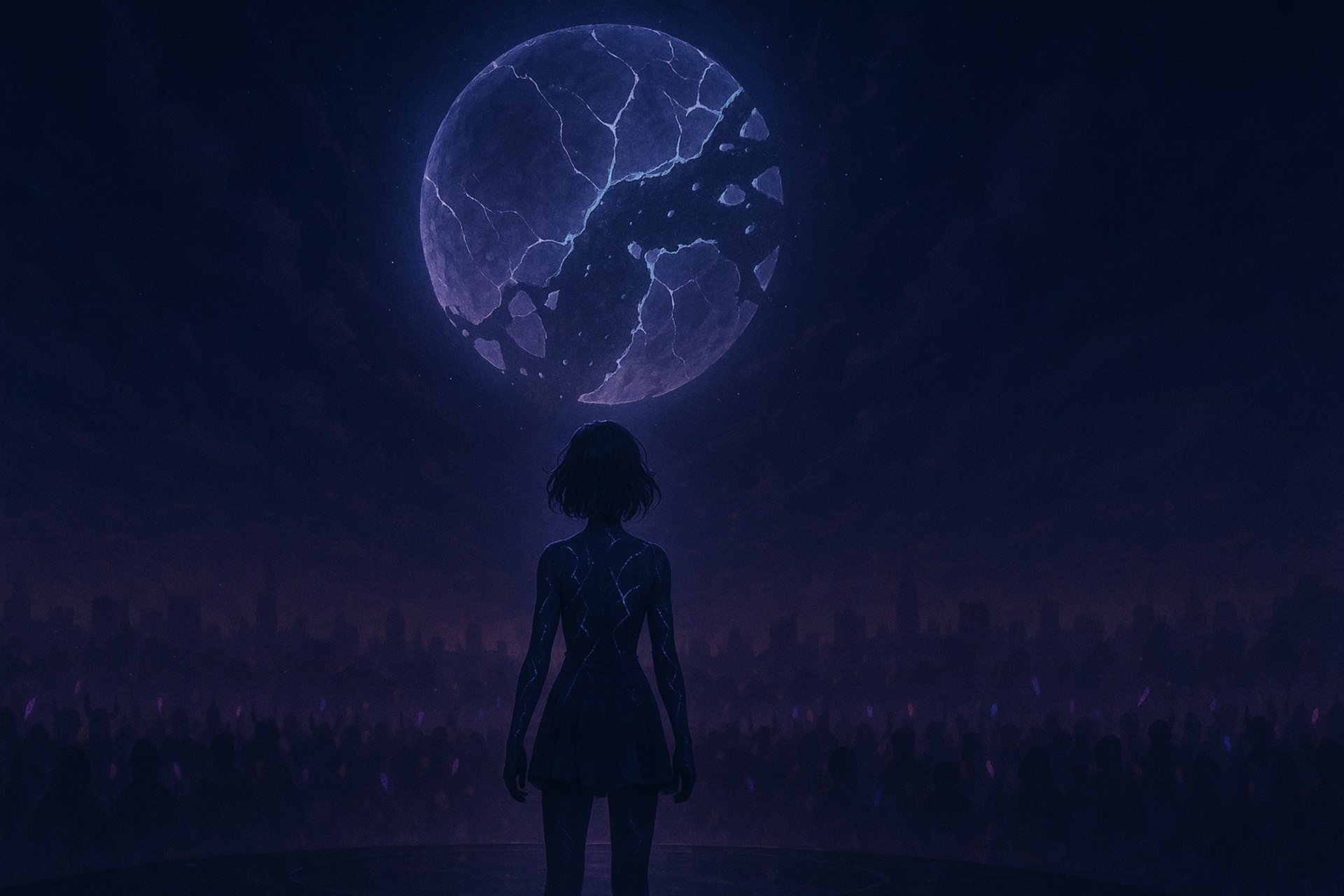
And with each broken step she takes,
the Hon Moon above the city
tears wider,
splitting like a wound
responding to her heart.
Every footstep is a fracture.
Every sob is a crack.
Every piece of her breaking
pulls the Hon Moon apart—
until the world itself
begins to unravel with her.
Rumi Goes to Her Aunt — The True Breaking Point
She doesn’t run to her friends.
She doesn’t run to her group.
She doesn’t run to safety.
She goes to the one person
whose voice shaped her fear more than any demon’s ever did:
her aunt.
"There's no denying it now,
they've seen,
they know."
Rumi collapses in front of her, sobbing:
“Please…
please do what you should have the moment I was born...
before I destroy what I swore to protect.”
Her aunt recoils,
horrified, trembling, torn.
“Rumi—no—”
Rumi, breaking asks:
“Why couldn’t you love me?
Why can’t you look at me?
Why did you teach me to hide?”
Her aunt’s face crumples.
“I do love you,” she whispers.
“But every time I saw your patterns…
I saw everything I was taught to fear.”
She reaches for Rumi,
but her hand hesitates in the air—
afraid, guilty, unsure.
“We can hide it again,” her aunt says desperately.
“We can pretend it was an illusion.
We can fix this.
Just hide it one more time.”
But for the first time in her life,
Rumi shakes her head.
“No more hiding.”
Her voice is barely a whisper,
but it carries more power
than anything she has ever sung.
For the first time in her life,
Rumi stops shaking.
Her tears go silent.
Her breathing steadies.
She looks at her aunt with a clarity
that is more painful than her glow.
And she says:
“If this is the Hon Moon I’m supposed to protect…
then I’m glad to see it destroyed.”
Her aunt gasps.
Because it isn’t said out of anger.
It isn’t punishment.
It isn’t rebellion for rebellion’s sake.
It’s truth.
A truth Rumi has been choking on her entire life:
A world that demands her silence
is not a world she is willing to save.
A world that calls her existence dangerous
does not deserve the protection of her voice.
A world that only loves her when she is hidden
is already broken.
When her aunt refuses to take her life,
refuses to face what she has actually done,
refuses to see Rumi instead of the fear —
Rumi disappears into the night.
Not running away.
Not giving up.
Running toward the demon
the world warned her about—
the one who was never the real enemy—
so she can face the truth she was born carrying.
Rumi Interrupts the Saja Boys — Breaking the Spell
The world doesn’t fall apart in silence.
It falls apart to music.
When Rumi reaches the heart of the city,
the Hon Moon tearing behind her like a wounded sky,
she hears it before she sees it —
the Saja Boys performing.
Their voices float like honey
over a crowd that can't see the truth
behind whats happening.
The fans sway in perfect unison,
their eyes tricked,
their faces entranced,
their bodies moving toward the massive pit of fire
where Gwima waits to feed.
To them,
this isn’t horror.
It’s a concert.
A once-in-a-lifetime moment.
A dream.
Because the trance has turned the fire into light,
the danger into beauty,
the demon king’s hunger into a stage glow.
The Saja Boys sing,
beautiful and terrible,
their harmonies acting as threads
pulling soul after soul toward the edge.
Every note is a lure.
Every chorus is a chain.
Every lyric is a sinking weight.
And Jinu stands among them,
no longer fighting the trance,
but fueling it —
his voice shaking,
his eyes hollow,
his shame louder than the music.
This is the performance
that will end everything.
Unless someone breaks it.
Unless someone disrupts the spell.
Unless someone sings louder
than the lies.
Rumi Breaks the Spell — The Single Note That Stops the World
The Saja Boys’ performance is reaching its climax.
Their harmonies are hypnotic,
their voices threaded with Gwima’s influence,
pulling fan after fan toward the burning pit
as if they are sleepwalking into heaven.
The crowd sways like one living organism —
entranced, glassy-eyed, unaware.
And then—
A single note pierces the trance.
Not loud.
Not powerful.
But pure.
Clear enough to cut through the manipulation.
Raw enough to shake the stage.
Human enough to crack the spell.
Every head turns.
The music halts mid-beat,
like the world forgets how to breathe.
The fans part instinctively,
as though pulled aside by an unseen force —
and in the opening they create,
Rumi stands.
Not triumphant.
Not heroic.
Broken.
Her patterns blaze across her entire body,
no longer hiding under sleeves or fear —
glowing like molten truth.
One of her eyes remains human — exhausted, swollen with tears.
The other eye gleams with demonic gold,
not from corruption,
but from the lineage she spent her whole life hiding.
She looks like the very thing the world feared she would become —
and yet nothing about her is monstrous.
She is just a girl
shaking
and heartbroken
and done pretending.
The entire arena goes silent.
And then from the fire below,
ascending in smoke and corrupted starlight,
Gwima speaks.
He sees her fully exposed,
every pattern visible,
every secret revealed.
And his voice curls through the arena like poison:
“You couldn’t fix the world.
You couldn’t even fix yourself.
And now everyone sees you
for what you really are.”
His words hit her like blades.
“The Hon Moon is destroyed.”
But she doesn’t defend herself.
She doesn’t hide.
She just stands there, glowing and trembling,
breathing through the wreckage of everything she believed in.
And in that moment —
that impossible, breaking moment —
Rumi looks up defiantly and says,
"Yes.-
So we can make a new one."
Rumi’s Response — The Song That Defies a Broken World
She should fall apart.
She could collapse under the weight of her shame,
the shattered Hon Moon,
the crowd staring at her glowing, trembling body.
But instead,
in the dead center of all that ruin,
Rumi lifts her head.
Tears still cling to her lashes.
Her breath shakes like cracked glass.
Her throat is raw from screaming and breaking—
but her voice is still hers.
Rumi closes her eyes.
Her chest rises.
And when she exhales—
she sings.
Not a polished note.
Not a trained idol’s voice.
Not the perfect vibrato her aunt drilled into her.
This is a sound cracked wide open by grief.
A sound born from truth instead of fear.
A sound pulled from the deepest place inside her—
the place that was never allowed to speak.
Her voice floods the arena,
raw and trembling,
but real.
Pain laces every syllable.
Hope threads between the notes.
Her glow brightens with each breath,
pouring out of her like she’s exhaling her entire soul.
The trance cracks.
Her friends feel it instantly.
The lies Gwima whispered in their ears
burn away like fog in sunlight.
Rumi’s Song — The Moment the Girls Hear Her First
Her voice slices through the trance—
not with perfection,
but with truth.
And the first people who hear her
aren’t the fans.
It’s her girls.
Mira.
Zoe.
Her sisters in everything but blood.
Their heads snap toward her,
eyes wide,
breath catching like someone reached inside them
and rewound their hearts.
They know that voice.
Not the polished stage one—
the real one.
The one she hides.
The one they didn’t even know they missed
until it reached them now.
They start singing toward her,
their harmonies strained but rising,
pushing through the crowd
to reach Rumi at center stage.
Their connection makes Gwima furious.
The moment the girls begin pushing toward Rumi,
the trance shudders.
Fans stir.
Confusion ripples.
The spell weakens.
Gwima snarls from the rising fire pit,
voice echoing like a cracked bell across the arena:
“STOP THE SONG.”
The Saja Boys—
still under his full control—
turn instantly.
They don’t hesitate.
They don’t question.
They don’t care.
They leap into action,
trying to block the girls,
drown out their voices,
fracture the harmony
before it can reach Rumi.
Their choreography becomes combat.
Their singing becomes a weapon.
Every movement is designed to silence the girls
and reestablish the trance.
They are not helpers.
They are opponents.
Obstacles.
Shadows sent to swallow the girls’ light.
While the Saja Boys fight them,
Gwima sends demons in waves—
swarms of burning shadows
trying to smother the song
at its source.
The girls fight forward anyway.
Every note Rumi sings
bolts through the battlefield like lightning,
and every step the girls take
is a war.
The Fans Begin Waking — But Only Because the Girls Are Winning Ground
It’s not instant.
It’s not clean.
It’s a struggle.
As the girls’ voices stabilize,
as they push closer together,
as their harmony rebuilds—
the first few fans blink awake.
Not many.
Just a handful.
Then a few more.
Then dozens.
Not because the Saja Boys let up,
but because the girls’ voices
—strengthened by pain, truth, and Rumi’s defiance—
begin to overpower the trance
inch by inch.
But the fans don’t start singing yet.
Not until later.
Right now,
they’re just beginning to surface
like people coming up from deep water.
And that tiny shift
makes Gwima furious.
Gwima Grows — His Power Triples
He pulls back his demons—
not to retreat,
but to store power.
He grows larger,
towering above the arena,
eyes burning like hellfire.
The girls reach the center.
Their harmonies lock with Rumi’s.
Their arms embracing eachother like a lifeline.
The three voices form a chord
that shakes the air.
And Gwima roars:
“Your voices cannot defeat me!”
Then he sends a massive blast of dark energy
straight at Rumi.
Rumi Tries to Hold It Back — And Nearly Breaks
She braces.
Her glow blazes.
Her voice strains in agony.
Her friends scream her name,
their harmonies shaking,
trying to shield her with their own voices.
The fans begin joining now—
not all at once,
but in waves,
their voices adding threads of strength.
But Gwima’s blast is too strong.
It pushes Rumi backward,
inch by inch,
every muscle trembling,
her patterns flickering like dying light.
She is seconds away from being overwhelmed.
And then—
the blast stops.
Abruptly.
Impossibly.
Rumi opens her eyes—
and sees Jinu standing between her and the attack.
Jinu’s Sacrifice — The Soul He Gives Back to Her
The energy scorches straight through him.
His body trembles violently.
He is being burned alive from the inside.
But he holds the blast back anyway.
Rumi screams his name—
a sound ripped from her bones.
He turns,
just enough for her to see his face.
Broken.
Gentle.
Finally free.
“I’m sorry…”
he whispers.
“For everything.”
Rumi collapses to her knees.
“I wanted to help you—
I wanted to set you free—”
Jinu smiles weakly.
“You did.”
He lifts a shaking hand—
“You gave me my soul back.”
His body starts to dissolve
into warm, golden light.
“So now…
I’m giving it to you.”
The light rushes into her chest—
a final gift,
a final forgiveness,
a final piece of him
that she carries forever.
With Jinu’s soul inside her,
with her friends beside her,
with the fans lifting their voices—
Rumi stands.
Stronger than she has ever been.
Together,
their united voices
shatter Gwima’s power
and send him back to the underworld.
They save each other.
They save the fans.
They save the world.
What I Saw When the World Finally Stopped Hiding
When the light settles
and Gwima is pulled screaming back into the dark,
the rebuilt Hon Moon hangs above the city—
not golden,
not perfect,
but whole.
Rumi, Mira, and Zoe beneath it
shaking, glowing,
breathing like someone learning how for the first time.
Her friends stand by her
They don’t flinch at her patterns anymore.
They don’t look away.
They don’t step back.
They embrace her.
Not the version of her they thought they knew—
the real her.
The marked girl.
The half-demon.
The child who grew up believing love required invisibility.
The fans join them,
voices still trembling,
eyes still wet.
They don’t cheer because she’s flawless.
They don’t cheer because she hid it well.
They cheer because she stopped hiding at all.
And as I watched it,
something in my chest cracked open.
Because Rumi didn’t save the world
by being quiet,
obedient,
or “safe.”
She didn’t save it
by purging the parts of herself she once feared.
She saved it
by letting every part of her be seen—
even the ones she thought were born wrong.
Her patterns didn’t fade after the fight.
Her demon eye didn’t vanish.
Her voice wasn’t magically restored to perfection.
She stayed marked.
She stayed imperfect.
She stayed herself.
And for the first time,
the world didn’t ask her to apologize for any of it.
What I saw in that moment
wasn’t just a girl resurrecting a celestial seal.
I saw someone rebuild herself
in the open,
with shaking hands,
in front of everyone who once asked her to shrink.
I saw a truth I didn’t expect the movie to teach me:
The things we hide don’t make us dangerous.
They make us powerful.
They make us human.
They make us capable of saving things
we never thought we deserved to touch.
Rumi rebuilt the Hon Moon
by finally letting the world see all of her.
And maybe that’s the thing that gutted me the most—
because for the first time,
I realized the parts of me I’ve buried the deepest
weren’t waiting to be erased.
They were waiting to be sung.
Sometimes the only way to save yourself
is to stop disappearing.
Connect
Reach out to share stories or questions.
defiantheartcreations@outlook.com