When Grief Wakes the Dead What I saw in the original 1994 film, “The Crow.”
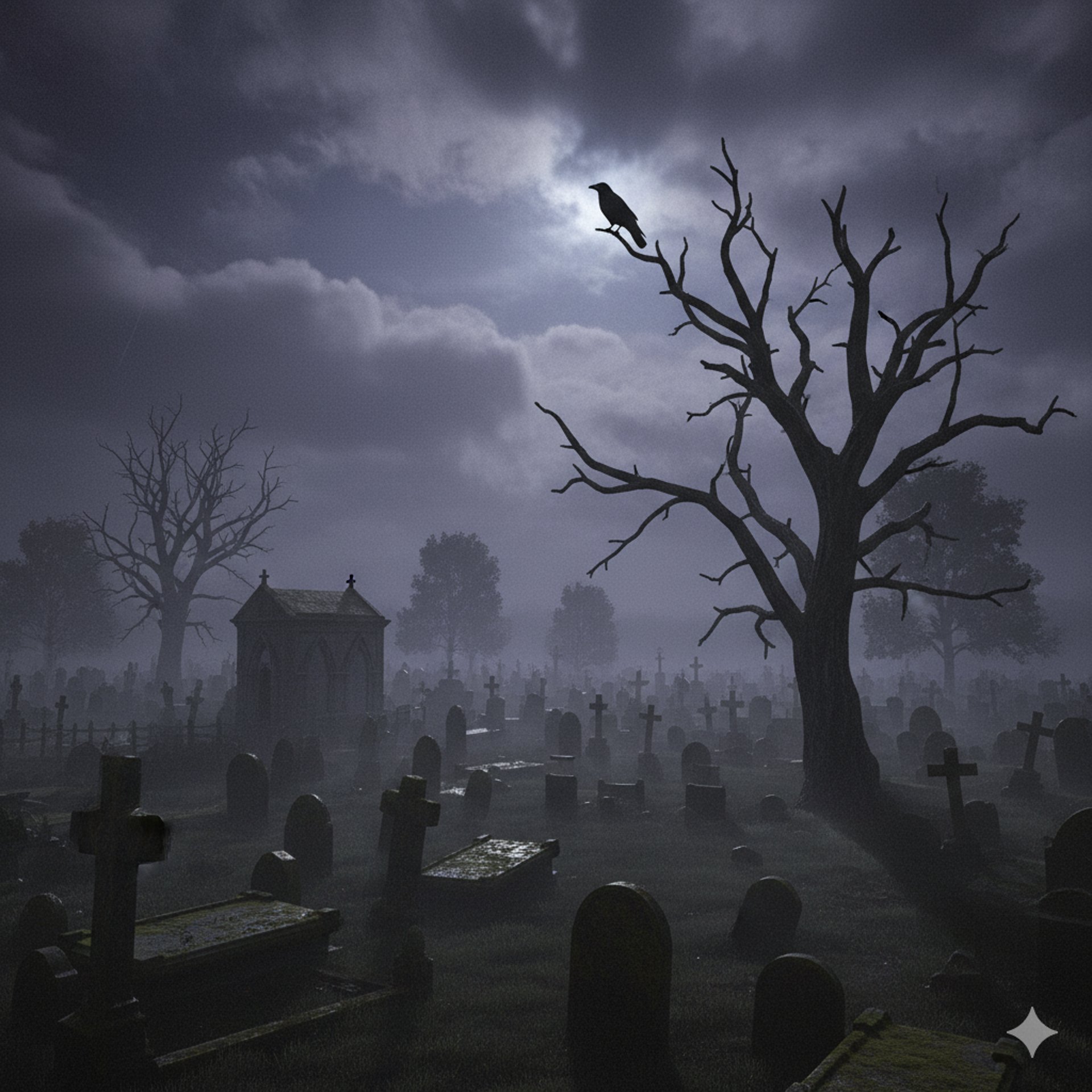
A Quiet Warning: There are shadows here — grief, violence, and loss. A shadowed reflection on the original 1994 film “The Crow” — where grief becomes a summoning, love refuses to stay buried, and survival takes the shape of a ghost.
SHADOWED REFLECTIONSGRIEF AND MEMORYSYMBOLISM AND MEANINGMUSIC, OR MOVIE INSIGHTS
Anastasia
11/16/20253 min read
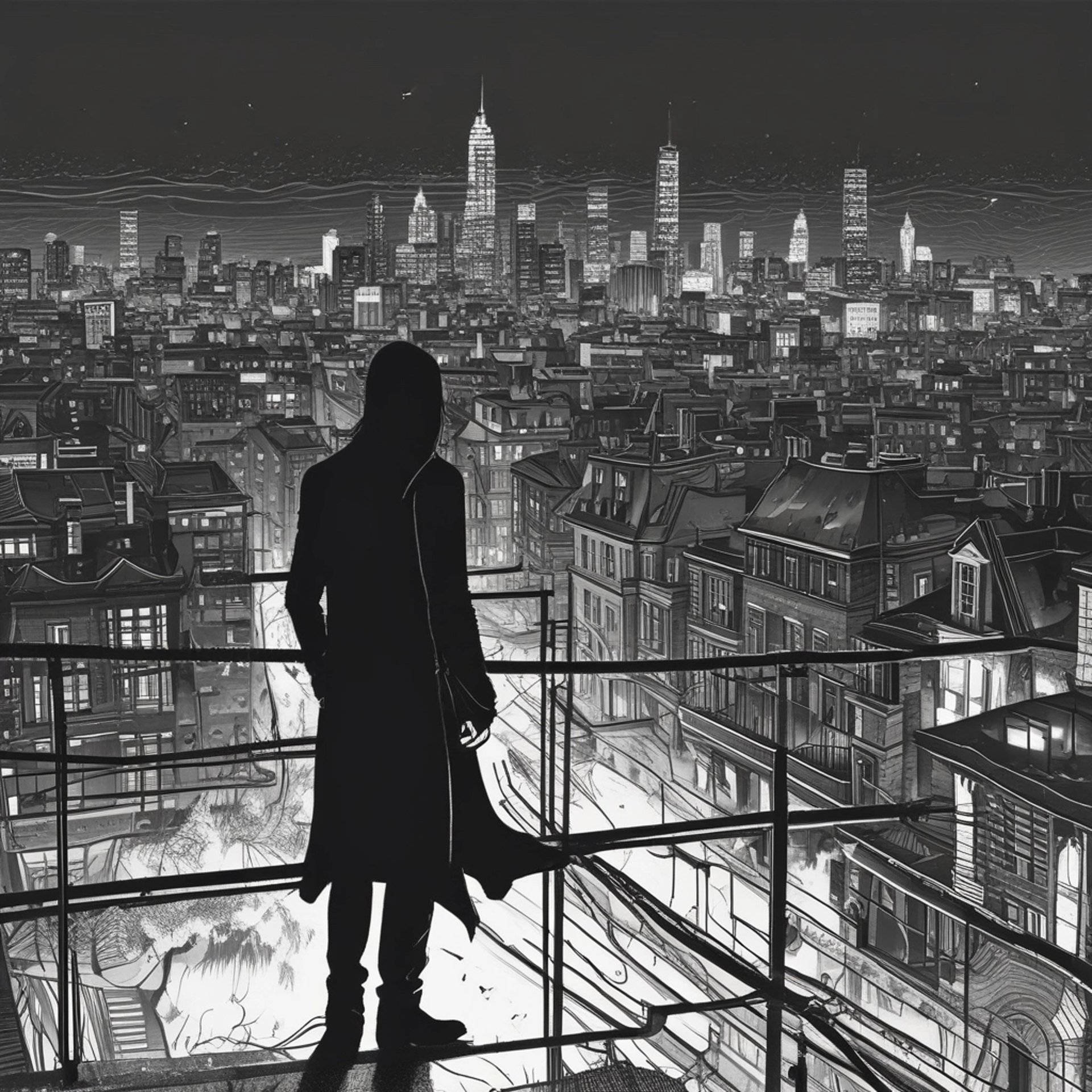
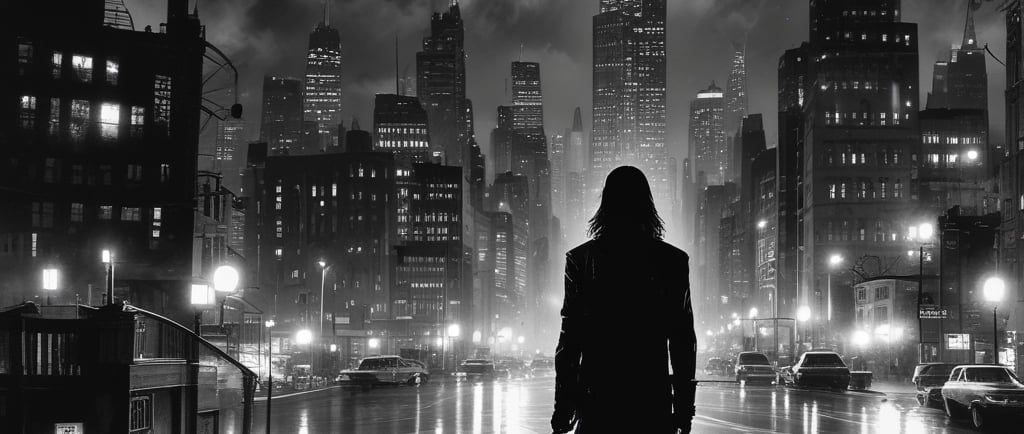
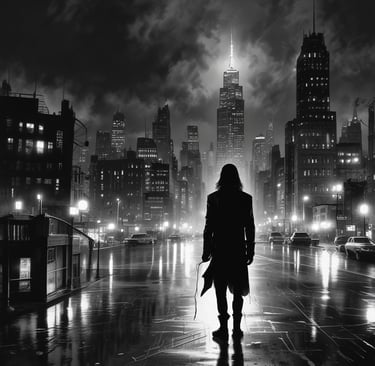
The Crow isn’t just a movie.
It’s a wound disguised as art — a love story sharpened by tragedy, a resurrection carved from the ache of unfinished grief.
Eric Draven doesn’t return from the grave because vengeance makes him powerful.
He returns because trauma refuses to stay buried.
Because some stories don’t end when you die.
Because real love leaves echoes that drag you back up through the dirt.
He rises the way a memory rises —
violent, relentless, aching —
pulling you out of whatever fragile rest you tried to slip into.
He doesn’t wake strong.
He wakes grieving.
The Resurrection Isn’t Power — It’s Punishment
Eric claws his way out of the earth like someone who remembers too much.
His return isn’t victory — it’s the cost of unfinished pain.
Trauma brings you back before you’re ready.
It makes you walk again on bones that never healed right.
It forces breath into lungs that weren’t finished resting.
Eric isn’t reborn.
He’s summoned.
Survivors know that feeling:
being dragged back into life long before you’ve regained the strength to stand.
The Makeup Scene — Grief Becoming Armor
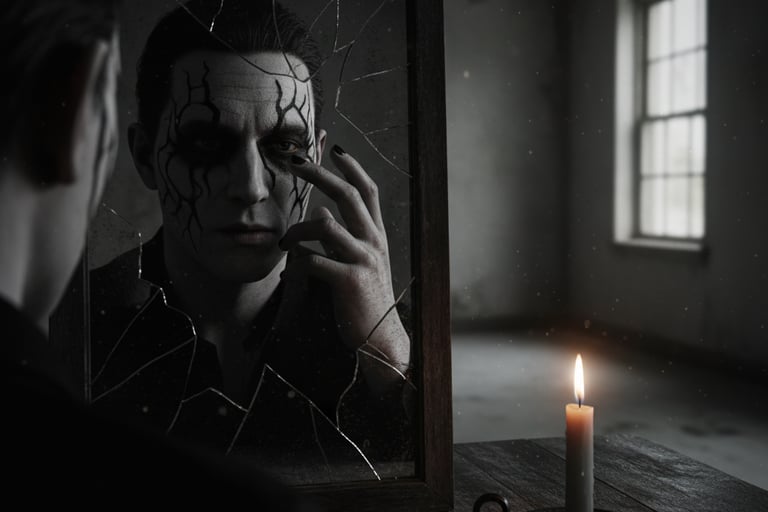
The quiet ritual of painting his face
— the trembling hands
— the cracked mirror
— the slow transformation
is one of the most haunted moments in film.
That makeup isn’t a mask.
It’s the truth.
He isn’t disguising himself.
He’s revealing what grief has sculpted him into.
This is what survivors do:
we paint on a version of ourselves the world can look at
because the raw truth underneath is too much.
Eric is not becoming a monster.
He’s becoming the shape grief made for him —
a face sharp enough to survive what the world did to him.
The Violence Isn’t Anger — It’s a Language
He doesn’t kill out of fury.
He kills with precision.
Calm. Focused. Controlled.
Like someone who has rehearsed pain all their life.
His violence is symbolic —
a series of truths spoken in the only voice the world ever listened to in his story.
This isn’t vengeance.
This is grief performing its own ceremony.
A requiem for the love that was stolen.
A ritual for the life he didn’t get to keep.
Shelly — The Love That Refused to Die
Shelly is never shown as a ghost,
but her presence is everywhere —
in the rain,
in the wind,
in the space between Eric’s breaths,
in every moment he pauses instead of breaking completely.
She is memory.
She is ache.
She is anchor.
Love doesn’t leave just because the person did.
And grief doesn’t let go just because it hurts.
Shelly is the unfinished story that pulled him back from the grave.
She is both the wound and the reason he keeps walking.
That’s what real love is —
a haunting that softens you even when the world hardens you.
The Final Return — When the Storm Finally Lets Go
When Eric finally returns to her,
he doesn’t collapse in defeat or rise in triumph.
He simply… rests.
His face softens for the first time.
His shoulders drop.
The rain stops feeling like punishment
and starts feeling like release.
He isn’t winning.
He isn’t losing.
He’s surrendering to the one mercy trauma ever gives:
The end.
The quiet.
The letting go.
He finally stops surviving.
He finally gets to stop being dragged back.
He gets to lay his weapons down.
He gets to sleep.
That moment isn’t about death —
it’s about relief.
A kind of peace only the exhausted truly understand.
Why “The Crow” Lives Under My Skin
Because I understand what it means to come back wrong.
To be pulled into days you didn’t want to face.
To carry love and pain in the same breath.
To walk with memories that cut deeper than any blade.
To wear armor made from the pieces of yourself you had left.
Eric Draven is not a hero.
He is a wound learning how to close.
And maybe that’s what I am too —
not healed, not whole,
but slowly, painfully
learning how to soften after surviving everything sharp.
That is what I see in The Crow.
That is what called to me.
That is what stayed.
— Anastasia
The Defiant Heart behind the work
Connect
Reach out to share stories or questions.
defiantheartcreations@outlook.com